The Bing Continental is the longest, widest board in the Carver lineup, and it rides exactly how you'd hope. Smooth, stable, and effortless. Designed in collaboration with legendary Bing Surfboards, it captures the feeling of longboard surfing on pavement — smooth forward momentum, graceful movement, and the space to walk around the deck.
The extra-wide platform and extended wheelbase make it ideal for cross-stepping and nose riding, or simply settling into a long, flowing cruise. Inspired by the iconic Bing heritage, the design is clean and timeless — classic striping and a sugarcoat grip with top graphics for that waxed longboard aesthetic.
You'll Love This If…
-
You want the closest thing to longboard surfing on pavement.
-
You enjoy walking the deck — cross-stepping and nose riding.
-
You prefer smooth, effortless cruising over aggressive riding.
-
Length : 37″ / 94.0 cm
-
Width : 10.875″ / 27.6 cm
-
Wheelbase : 21.25″ / 54.0 cm
-
Deck: Bing 37″ Continental
-
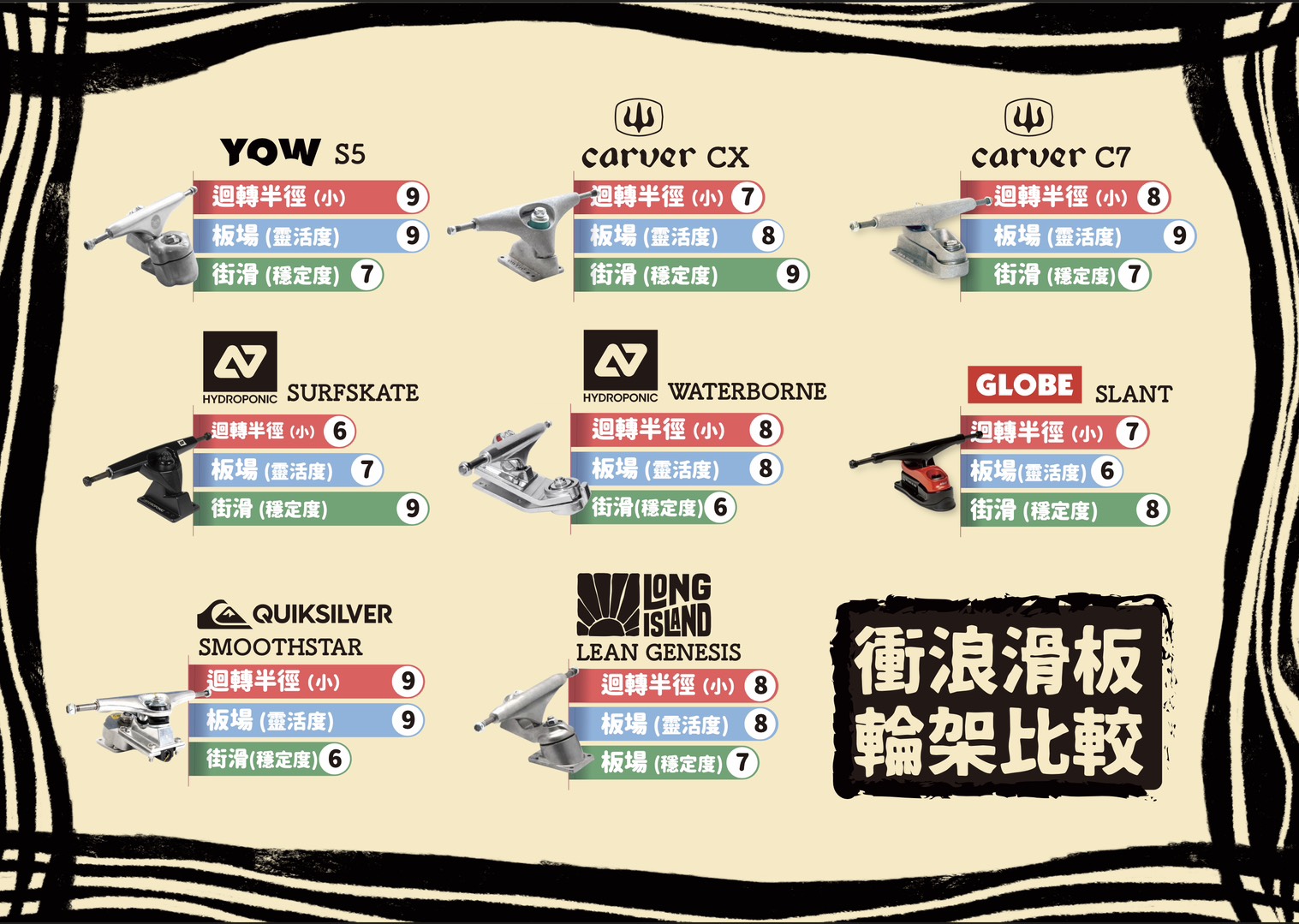
Trucks: Carver CX
-
Bushings: Carver CX Standard (Smoke, 87a)
-
Wheels: Roundhouse Mag (70mm, 78a Smoke)
-
Bearings: Carver ABEC 7 Built-In
-
Risers: Carver 3/16″ gasket x 2 (3/8″ total)
-
Hardware: Carver countersunk (1.25″)

HISTORY OF CARVER SKATEBOARDS
It all started one quiet summer in Venice, California in 1995. Greg Falk and Neil Carver had been surfing all winter, and were pumped to surf the warmer waters of the Breakwater during the long days of summer, but it was as flat as a puddle. Not even a longboard ripple to justify getting wet. So, like the many generations before them, they took to the streets with skateboards in search of hills to surf.
The historic neighborhoods of Venice and Santa Monica are a veritable skatepark of steep alleys and banks, and as they dropped in on those asphalt waves they were struck with how unlike surfing it was. Sure, they sort of got a surf-like experience, as much as standing on a board and banking turns can provide, but they really missed the snap and drive that a surfboard has, that crisp pivot you get at the tail that lets you really pump a wave for speed. Their skateboards felt stiff by comparison. They tried loosening the trucks even more but all they got was speed wobble, and the steepest hills became virtually unskateable.
And even with those loose trucks, the dynamic of the turn was still all rail-to-rail, symmetrical nose-to-tail. Picking up the nose to tic-tac at high speed down a steep incline was sketchy, so they were left only imagining the performance they wanted, unable to get that feel with any skateboard on the market.